
Tungsten Is Getting Expensive. Now What?

Why tungsten prices matter for manufacturing
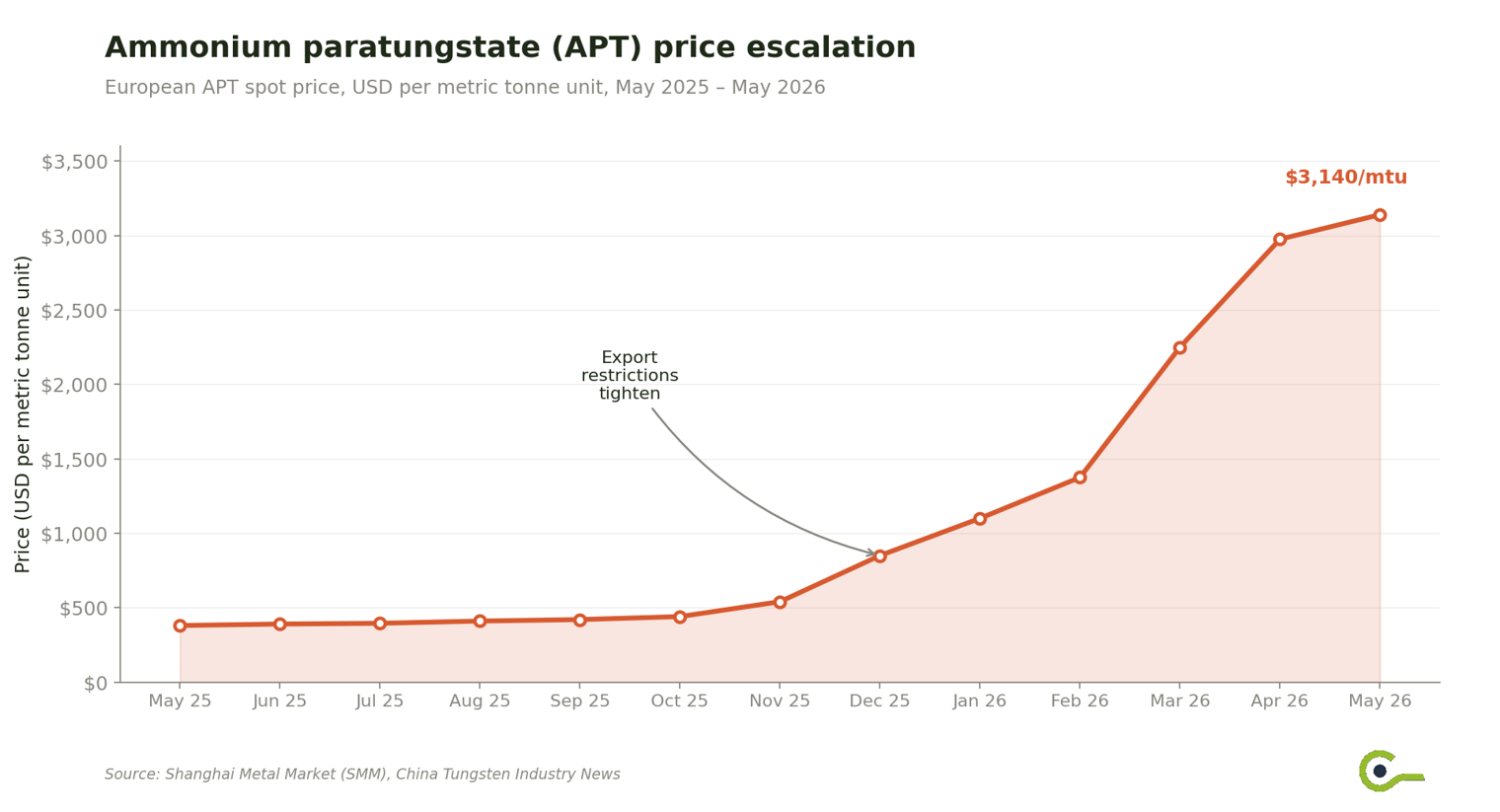
Tungsten prices have risen sharply, and the effects are being felt across manufacturing. For companies that rely on tungsten carbide in cutting tools, powders, thermal spray coatings or other wear-resistant applications, this is no longer just a purchasing issue. It is a strategic materials challenge.
What is driving the pressure?
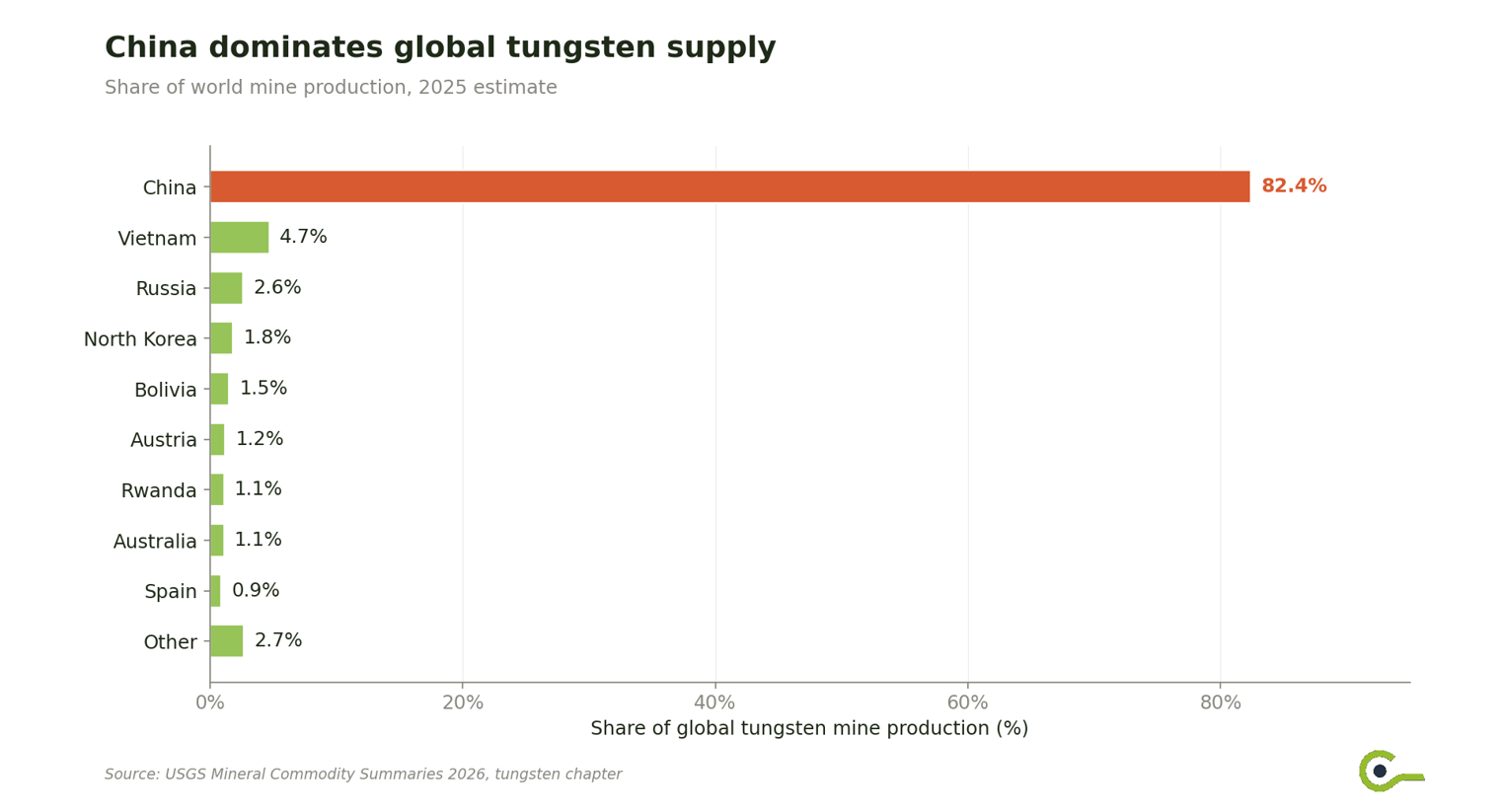
The first factor is supply-concentration. Global tungsten supply remains heavily dependent on China, which continues to dominate mine production, processing and exports. When one country has such a strong position in the supply chain, even relatively small changes can have a large market impact. The second factor is tighter availability. Export controls, licensing requirements and geopolitical tensions have added friction to international supply chains. At the same time, alternative supply outside China cannot be scaled up overnight. New mining and processing capacity takes time, investment and qualification. The result is a more volatile market, with manufacturers facing higher costs and more uncertainty around lead times, powder availability and future pricing.
What does this mean for manufacturers?
Companies using tungsten carbide now face difficult choices. They can absorb higher costs and accept lower margins. They can pass part of the increase on to customers. Or they can review whether another material or coating system could deliver the required performance in selected applications. None of these options is simple. In competitive markets, price increases are difficult. But reducing coating performance can be even more expensive if it leads to premature wear, downtime, quality problems or shorter component life.
Are there alternatives to tungsten carbide?
There is no universal drop-in replacement for tungsten carbide. In thermal spray applications, the right solution depends on the wear mechanism: abrasion, erosion, corrosion, temperature, impact or a combination of these factors. Chromium carbide compositions may be suitable in applications where temperature and corrosion resistance are key requirements. Ceramic coatings can be considered where hardness, thermal resistance or chemical resistance are more important than toughness. Iron-based and hybrid coating systems may also offer a better cost-performance balance in selected cases. The important point is that the decision should not start with the question “What is cheaper?” It should start with “What does this application need to survive?”
A more strategic approach
Rising tungsten costs are pushing manufacturers to take a closer look at material selection, coating design and total cost of ownership. The lowest purchase price is not always the lowest operating cost. A coating that lasts longer, protects product quality or reduces downtime can still be the better economic choice. For this reason, the current market situation is also an opportunity. It encourages technical teams, purchasing teams and coating specialists to work together earlier in the decision process. Instead of treating material choice as a fixed specification, companies can evaluate performance, cost and supply risk together. Tungsten carbide will remain essential in many demanding applications. But in today’s market, every application deserves a fresh look. How is your team responding to rising tungsten costs?